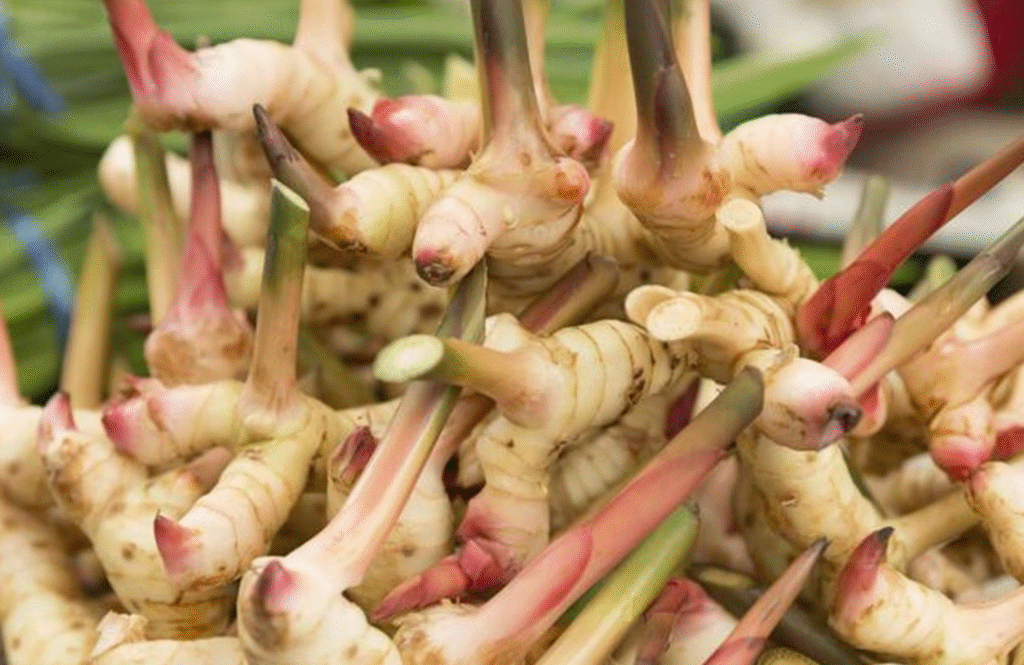

Quick answer An Indonesian cassia cinnamon supplier provides the dried bark of Cinnamomum burmannii, a species valued by international food manufacturers, spice blenders, wholesalers, and private-label brands for its warm aroma, sweet-woody flavor, and reliable availability. A professional bulk purchase should be based on an agreed specification—not appearance alone—including cut, moisture target, cleanliness, volatile-oil or sensory requirements, microbiological limits, packaging, documentation, and destination-country compliance.
For importers, finding an Indonesian cassia cinnamon supplier is not simply a matter of comparing price per kilogram. The real commercial question is whether each shipment can deliver the same usable flavor, cleanliness, format, documentation, and arrival condition. This guide explains how global buyers can define those requirements, evaluate samples, compare quotations, and reduce risk before placing a container or recurring order.
Understanding the Indonesian Cassia Cinnamon Supplier Market
This section explains the commercial identity of Indonesian cassia and the factors that shape a dependable sourcing program. It also gives international buyers the context they need before comparing format specifications and supplier capabilities.
Indonesian Cassia Cinnamon Supplier Product Identity
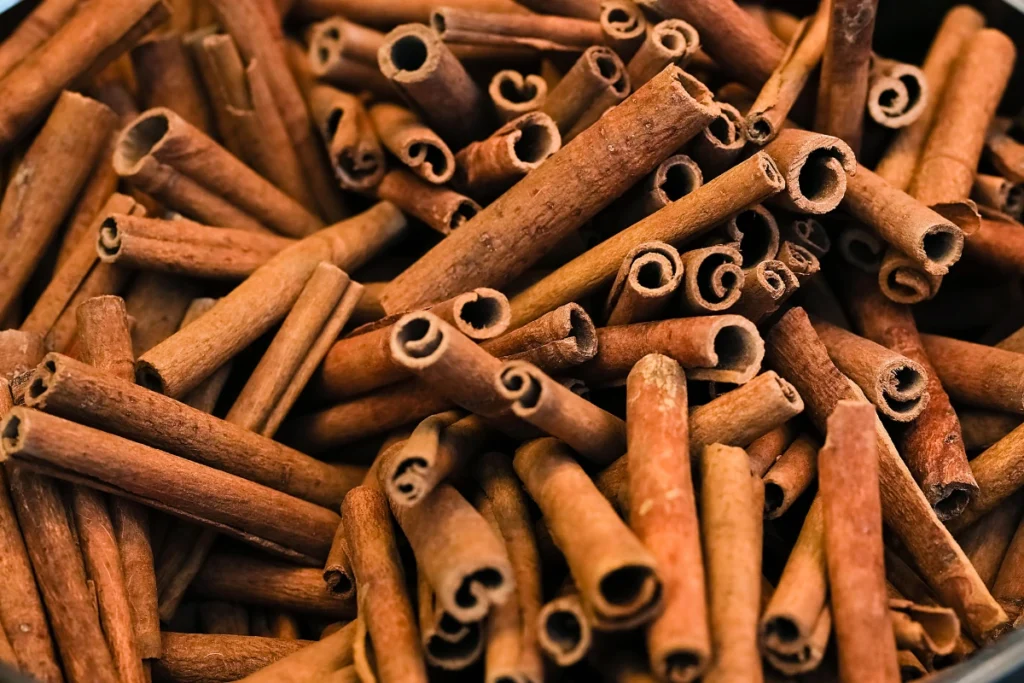
The spice trade commonly associates Indonesian cassia with Cinnamomum burmannii. Suppliers often sell it as whole sticks, broken bark, chips, or powder, depending on the buyer’s application. Its strong cinnamon character makes it suitable for bakery mixes, beverages, confectionery, savory seasoning, tea blends, extracts, foodservice packs, and retail spice products.
Cassia is not automatically interchangeable with every product sold under the general name “cinnamon.” Botanical identity, origin, bark thickness, flavor intensity, color, and end use can differ. That is why a serious request for quotation should name the botanical species and required format. The International Organization for Standardization catalogue for spices and condiments shows why commodity identity and recognized test methods matter in international trade. For cassia purchases, buyers should specify the applicable national, customer, and destination-market requirements rather than rely on a trade name alone.
The Food and Agriculture Organization’s FAOSTAT platform provides official agricultural and trade data across more than 245 countries and territories. Buyers can use such official datasets to understand production and trade context, but supplier qualification still requires current lot-level evidence.
Why International Buyers Choose Indonesian Origin
Furthermore, Indonesia has a long commercial connection with spices and tropical agricultural products. For a bulk buyer, origin matters because it affects sensory profile, harvesting patterns, processing practices, lead times, and supply-chain design. Indonesian cassia can offer an attractive balance of pronounced flavor, flexible formats, and suitability for industrial applications.
However, “Indonesian origin” never gives buyers a complete quality specification. However, two lots from the same country may differ in bark age, drying, sorting, cleanliness, storage history, and cut size. A dependable sourcing program converts subjective expectations into measurable acceptance criteria and keeps a retained reference sample for future comparison.
Buyer Applications and Product Uses
Moreover, food manufacturers use Indonesian cassia in bakery mixes, beverages, confectionery, savory seasonings, tea blends, extracts, foodservice packs, and retail spice products. Each application needs a suitable cut size, flavor profile, and quality plan.
Indonesian Cassia Grades and Product Formats
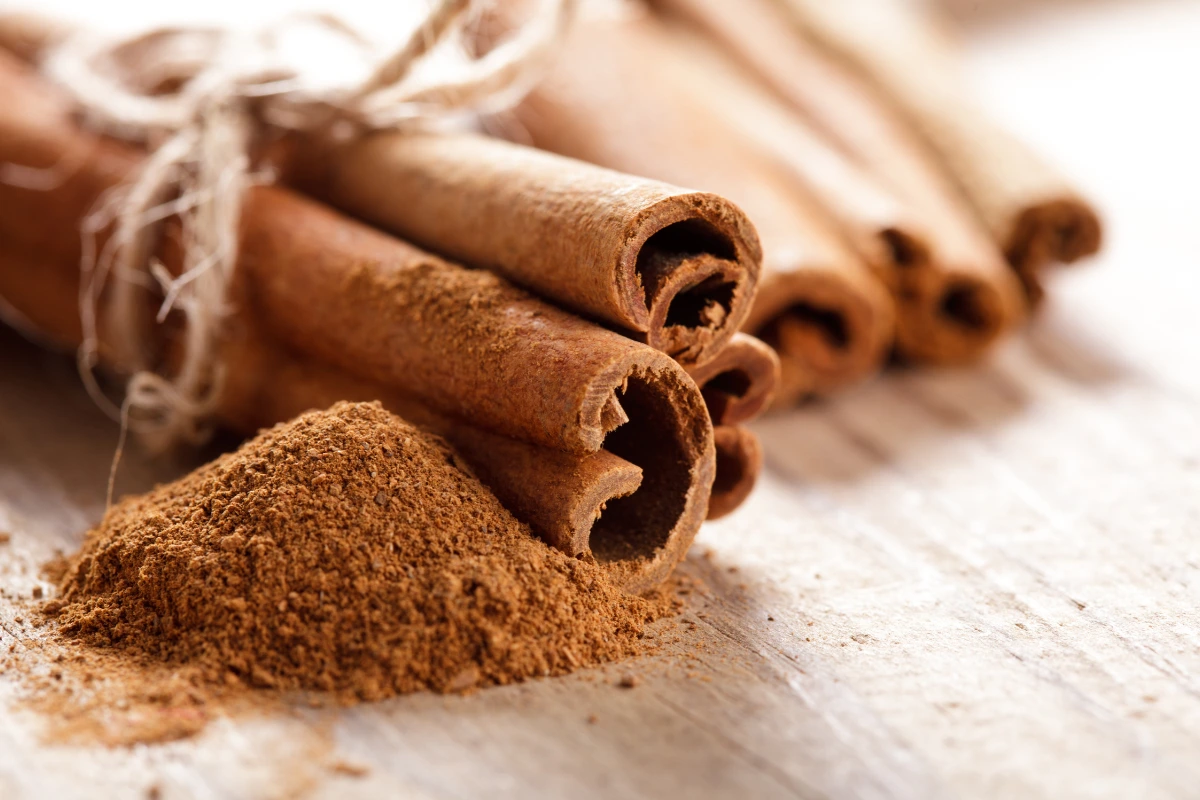
Indonesian cassia reaches the global market in several formats that serve different processing and presentation needs. Therefore, buyers should match the grade cut and physical form to the intended application before requesting a quotation.
Commercial grade names can vary between suppliers and markets. Instead of assuming that one grade label means the same thing everywhere, ask the exporter to translate the label into physical and analytical characteristics. B2B buyers commonly discuss the following formats.
Indonesian Cassia Cinnamon Supplier Whole Sticks
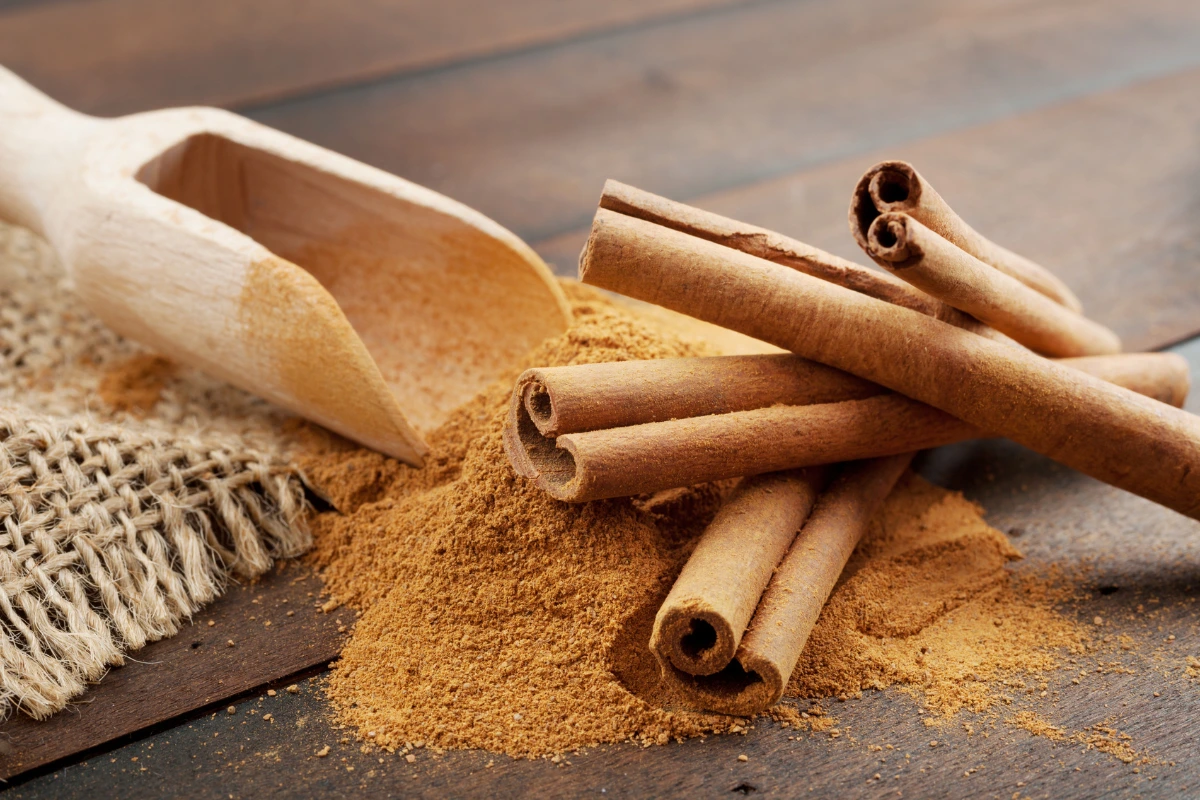
Buyers often choose whole or rolled bark for retail presentation, foodservice, beverages, décor, and products where visual uniformity matters. Buyers normally define stick length, diameter or bark thickness, color range, breakage tolerance, foreign-matter tolerance, and packaging arrangement.
Broken cassia and chips
Broken bark and chips are practical for extraction, tea blending, milling, seasoning manufacture, and industrial processing. Uniform particle range can improve feeding, blending, and extraction consistency. The RFQ defines minimum and maximum dimensions, allowable fines, and whether metal detection or additional cleaning is required.
Cassia powder
Powder reduces in-house milling but requires tighter control because grinding makes defects harder to see. Buyers should specify mesh or particle size, moisture, sensory profile, foreign matter, microbiological limits, allergen controls, and packaging barrier performance. The sample approval process should include the product in its intended formulation, not only a visual inspection.
Bulk Cassia Quality Specifications
A written specification turns general quality expectations into measurable acceptance criteria for every shipment. In addition, it helps purchasing, quality control laboratories, and suppliers evaluate the same lot using a shared commercial standard.
Indonesian Cassia Cinnamon Supplier Specifications
For this reason, a useful specification is clear enough for the supplier, quality team, laboratory, and receiving warehouse to reach the same decision. The table below can be adapted to your product and market.
| Specification area | What the buyer should define | Why it matters |
|---|---|---|
| Identity | Product name, botanical species, Indonesian origin, crop or production period where applicable | Prevents substitution and supports traceability |
| Format | Whole sticks, broken bark, chips, or powder; dimensions or mesh | Controls processing performance and visual consistency |
| Sensory profile | Expected aroma, flavor, color range, and approved reference sample | Protects finished-product consistency |
| Physical quality | Foreign matter, extraneous matter, broken pieces, fines, insects, and visible mold requirements | Reduces cleaning loss and rejection risk |
| Chemical criteria | Moisture and any application-specific oil, ash, contaminant, or residue limits | Affects stability, yield, flavor, and compliance |
| Microbiology | Buyer- and market-specific limits; treatment requirements if any | Supports food-safety and customer requirements |
| Packaging | Net weight, food-contact liner, outer material, palletization, marks, and label language | Protects the product during transit and simplifies receiving |
| Documents | COA, commercial documents, origin documentation, phytosanitary or other certificates when required | Reduces customs and release delays |
Destination Market Compliance
Nevertheless, do not copy generic limits without checking your destination market and product category. Regulatory requirements can change and may differ for a whole spice, processed ingredient, retail pack, or organic claim. The buyer or appointed compliance specialist need to confirm the current legal requirements before shipment.
Lot Level Evidence and Acceptance Criteria
Therefore, buyers should connect every commercial lot to a current certificate of analysis, traceability record, and approved specification. Clear acceptance criteria allow both parties to make the same release decision.
Supplier Evaluation and Risk Control
Supplier qualification should examine operational controls, evidence of communication and the ability to meet destination requirements. As a result, buyers can reduce quality delays and documentation risks before committing to a trial or recurring order.
Indonesian Cassia Cinnamon Supplier Qualification
- Can you confirm the botanical species and origin? Request a product specification that names the species, format, and declared country of origin.
- How is the cassia cleaned, sorted, dried, and stored? The answer should explain the practical process and controls, not only state that the product is “premium.”
- Which parameters appear on the certificate of analysis? Confirm whether the COA is lot-specific and whether testing is performed internally or by an independent laboratory.
- Can you work to our destination-market limits? Share the required microbiological, chemical, residue, contaminant, and labeling criteria early.
- What sample represents the commercial lot? Ask how the sample was drawn and whether a retained sample will be used to resolve later questions.
- What are the MOQ, production lead time, and Incoterm options? A low unit price can be offset by inefficient shipment size, uncertain production timing, or unclear responsibilities.
- How will you handle a non-conforming result? Agree on inspection, notification, evidence, and resolution procedures before the purchase order.
Pre-Shipment Sample Evaluation
First, begin with identity and visual checks. Compare the sample with the agreed description for format, color, cleanliness, aroma, and visible damage. For whole sticks or chips, inspect variation and the percentage of fines. For powder, evaluate uniformity and aroma immediately after opening.
Second, test the cassia in the actual application. A beverage, bakery, extract, or seasoning system can reveal differences that are not obvious from smelling the raw spice. Record the dosage, processing conditions, panel observations, and reference standard. This creates a repeatable approval process instead of relying on memory.
Third, review analytical and documentary evidence against the written specification. If the buyer requires independent testing, both parties should agree in advance on the laboratory, methods, sampling procedure, and decision rule. Consequently, a sample approval is valuable only when the commercial shipment is linked to the approved lot or acceptance process.
Independent Testing and Decision Rules
In addition, the buyer and supplier should agree on the laboratory, sampling method, test methods, and decision rules before production. This agreement reduces disputes and gives each result a clear commercial meaning.
Packaging Documents and Logistics
Packaging documentation and shipment planning determine whether cassia arrives in the expected condition and clears the destination efficiently. This section covers the practical controls that protect product integrity and support a predictable import process.
Indonesian Cassia Cinnamon Supplier Packaging
Moreover, cassia is aromatic and hygroscopic, so packaging and storage conditions influence arrival quality. The packaging system protects the spice from moisture, contamination, odor transfer, physical damage, and unnecessary exposure during transit. Buyers states the required food contact liner, outer bag or carton, net weight, sealing method, lot code, and shipping marks.
Container Planning and Shipping Terms
Container planning should consider transit time, route, climate exposure, pallet requirements, and the destination warehouse’s handling system. The purchase order identifies the agreed Incoterm, document responsibilities, inspection point, shipment window, and communication process for delays. Clear logistics terms help both parties avoid assumptions that can become expensive after loading.
Documents Required Before Shipment
Meanwhile, the exact document pack depends on the buyer, destination, and shipment. A typical commercial discussion may include a product specification, lot-specific certificate of analysis, commercial invoice, packing list, bill of lading instructions, certificate of origin, and phytosanitary or treatment documentation when applicable. Organic, sustainability, or food-safety claims require valid evidence appropriate to the claim and market.
Therefore, review draft documents before shipment whenever possible. Names, addresses, product descriptions, quantities, lot references, HS classifications, and consignee instructions need consistent details across the pack. As a result, small documentation errors can delay customs clearance even when the product itself is acceptable.
Request for Quotation Guide
A complete RFQ allows suppliers to quote the correct product testing scope, packaging, and delivery basis. Moreover, it gives buyers a fair framework for comparing offers without overlooking hidden differences in specifications or commercial terms.
Indonesian Cassia Cinnamon Supplier RFQ Information
Product: Indonesian cassia cinnamon (Cinnamomum burmannii)
Format: [whole sticks / broken bark / chips / powder]
Required size: [length, dimensions, or mesh]
Application: [bakery / beverage / seasoning / extraction / retail]
Quantity: [sample, trial order, monthly or annual volume]
Quality requirements: [moisture, physical, chemical, microbiological, residue, treatment, sensory]
Packaging: [net weight, liner, carton/bag, pallet]
Destination: [port and country]
Incoterm: [EXW / FOB / CFR / CIF or requested option]
Documents: [COA, origin, phytosanitary, certifications, other]
Target shipment date: [date or window]
How Clear Requirements Improve Quotations
Therefore, sending this information with the first inquiry allows the supplier to quote the correct grade, testing plan, packaging, and logistics basis. It also helps filter out quotations that look cheap only because important requirements were omitted.
Comparing Supplier Quotations
Consequently, buyers should compare quotations on the same format, quality limits, packaging, Incoterm, testing scope, and shipment schedule. An Indonesian cassia cinnamon supplier should explain every cost assumption clearly.
Indonesian Cassia Cinnamon Supplier Questions
These questions address the issues that international buyers commonly raise before approving cassia for bulk purchase. The answers clarify species grade testing, supply formats, and the controls that reduce importer risk.
Product Identity and Species Differences
No. Indonesian cassia is commonly associated with Cinnamomum burmannii, while Ceylon cinnamon is generally Cinnamomum verum. They differ in botanical identity, physical structure, flavor profile, and typical commercial application. Buyers should specify the species instead of ordering only “cinnamon.”
However, there is no universal best grade. The correct choice depends on the application, visual requirements, processing method, destination rules, and price target. A retail stick buyer and an extraction plant can legitimately need different formats and acceptance criteria.
Grades Testing and Bulk Supply
In addition, a lot-specific COA should report the parameters agreed in the specification. Buyers may also require independent verification for selected risks or markets. The test method and sampling basis both parties should agree before the order.
For example, bulk formats can include whole sticks, broken bark, chips, and powder. Availability, MOQ, packaging, testing, and lead time should be confirmed by buyers for the requested specification and shipment schedule.
Importer Quality Risk Reduction
Define measurable requirements, approve a representative sample, verify documents, agree on testing and inspection, and record the process in the purchase order. Price comparison should be made on equivalent specifications and Incoterms.
Source Indonesian Cassia with Confidence
A reliable sourcing decision combines product suitability, documented quality, and clear commercial communication. The following guidance helps qualified buyers move from initial requirements to samples, quotations and a repeatable supply relationship.
Indonesian Cassia Cinnamon Supplier Quality Planning
As a result, a successful cassia program starts with a clear end use and a written specification. Once format, quality, documentation, packaging, and logistics are aligned, buyers can compare suppliers on a genuinely equivalent basis and build more predictable recurring supply.
Indonesian Cassia Cinnamon Supplier Quotation
Trove Spices supports international buyers seeking Indonesian spices for wholesale, manufacturing, foodservice, and private-label applications. Send your target specification, destination port, trial quantity, and expected annual volume so our team can recommend the most relevant cassia format and quotation basis.
Request an Indonesian cassia cinnamon quotation or explore our Indonesian spice product range.
Next Steps for Qualified Buyers
Finally, qualified buyers can share their destination port, target volume, application, and required documents. An Indonesian cassia cinnamon supplier can then prepare a relevant sample and commercial offer.
Editorial note: Product requirements and import rules vary by destination and application. Buyers should confirm current legal, food-safety, and customer requirements before purchase.