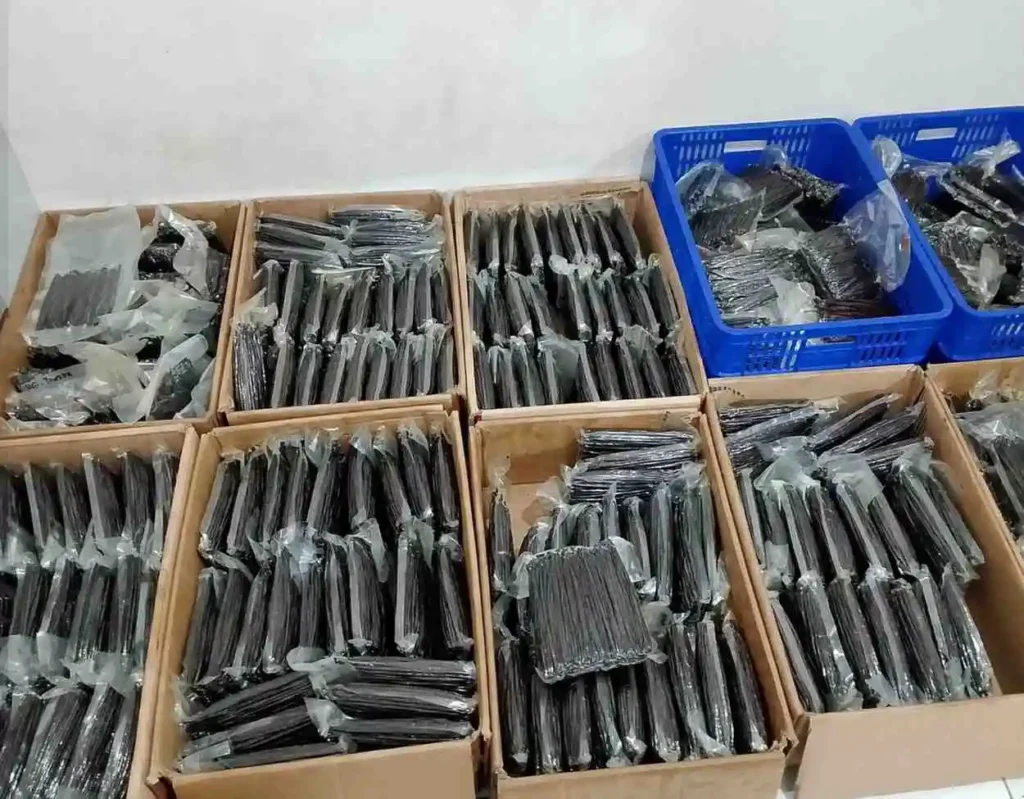
Quick answer: An Indonesian vanilla bean supplier provides cured Vanilla planifolia beans for gourmet, foodservice, extraction, flavor manufacturing, and private label applications. Before approving an order, buyers should define the species, grade, length, moisture range, appearance, aroma, vanillin expectations, microbiological limits, residue requirements, packaging, and documents.
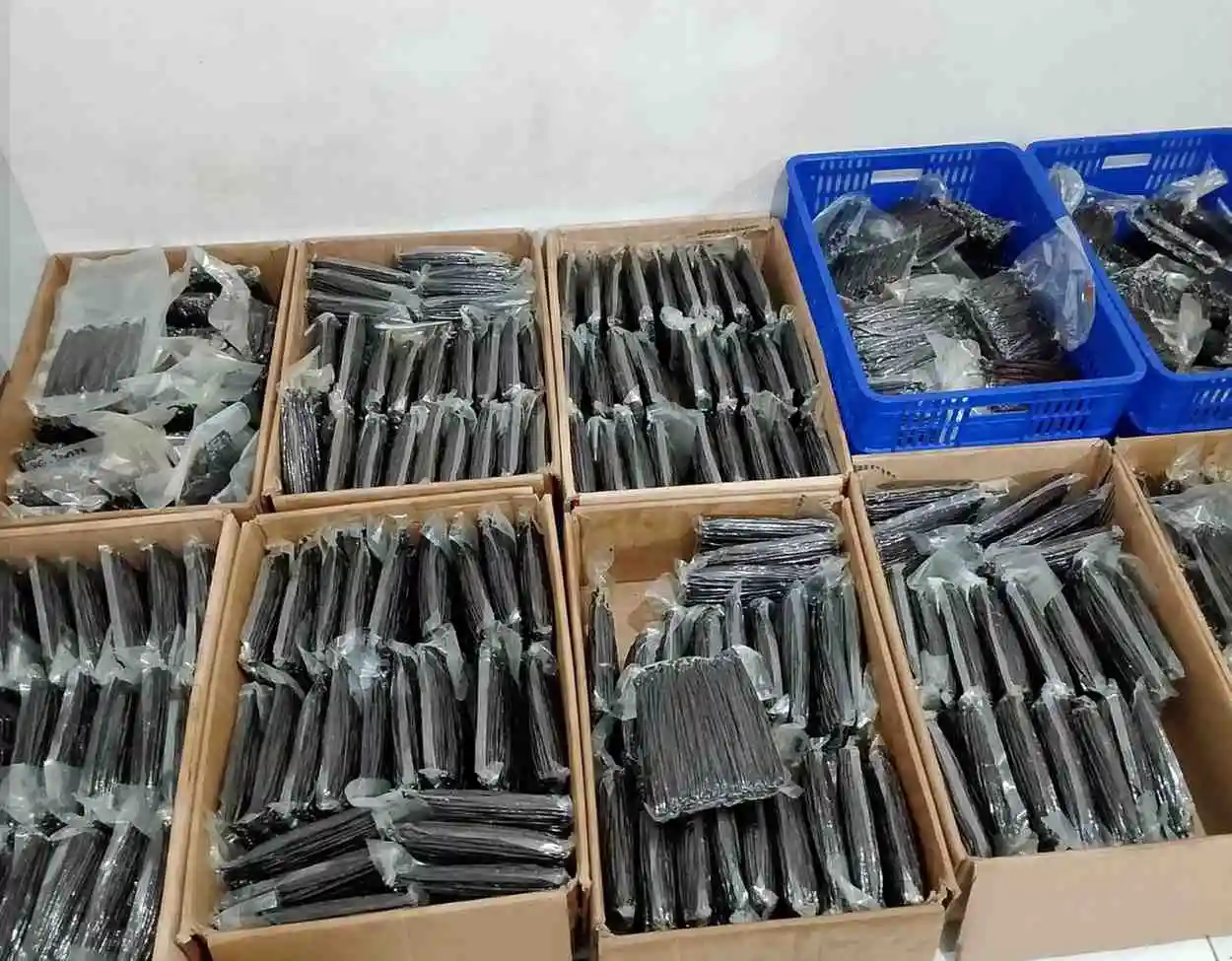
Vanilla is a high-value ingredient whose quality depends on cultivation, harvest maturity, curing, storage, and careful handling. For that reason, buyers should compare suppliers through representative samples and measurable specifications, rather than relying on grade names alone. This guide explains how international buyers can evaluate Indonesian vanilla beans, prepare an RFQ, and build a dependable supply program.
Understanding the Indonesian Vanilla Bean Supplier Market
This section explains the botanical identity, commercial formats, and origin factors that shape a vanilla purchase. It also clarifies why a clear product description must come before price comparisons.
Indonesian Vanilla Bean Supplier Product Identity
Vanilla planifolia is the principal species used for many commercial vanilla applications. Buyers should state the botanical species because aroma, bean shape, curing behavior, and market positioning can differ among vanilla types. The current ISO 5565 1 1999 vanilla specification provides an international reference, while ISO is also developing a revised edition that includes Vanilla planifolia and Vanilla tahitensis.
A purchase description should identify whole beans, split beans, cuts, powder, or another agreed format. It should also state whether the beans are intended for direct culinary use, extraction, grinding, or further processing.
Indonesian Origin and Flavor Character
Indonesia offers tropical growing conditions and an established agricultural base for vanilla. However, origin alone does not guarantee a particular aroma or quality level. Variety, harvest maturity, curing technique, moisture, storage, and lot selection all influence the finished beans.
Buyers should describe the desired sensory profile in practical terms, such as creamy, woody, cacao like, smoky, floral, or dried fruit notes. A retained reference sample gives both parties a more reliable target than descriptive language by itself.
Whole Beans Cuts and Powder
Whole beans suit gourmet kitchens, premium retail packs, foodservice, and applications in which appearance matters. Cuts and shorter beans can work well for extraction, paste, grinding, and industrial flavor production. Powder requires additional controls because grinding makes visual defects harder to detect.
Each format needs its own specification, packaging, and sampling plan. Consequently, buyers should avoid applying whole bean criteria to a product whose value depends mainly on extraction yield or particle size.
Vanilla Bean Grades and Buyer Applications
Grade labels help organize commercial offers, but suppliers do not always define them in the same way. Therefore, buyers should connect each grade to measurable characteristics and to the intended manufacturing process.
Gourmet Grade Vanilla Beans
Gourmet beans are usually selected for appearance, flexibility, aroma, length, and a relatively supple texture. They suit pastry, fine dining, premium retail, and products in which consumers can see or handle the bean. Nevertheless, the buyer should specify the acceptable range for length, splits, scars, color, moisture, and surface condition.
A beautiful bean must also meet food safety and sensory requirements. Visual selection cannot replace testing for contaminants, residues, microbiology, or unacceptable odors.
Extraction Grade Vanilla Beans
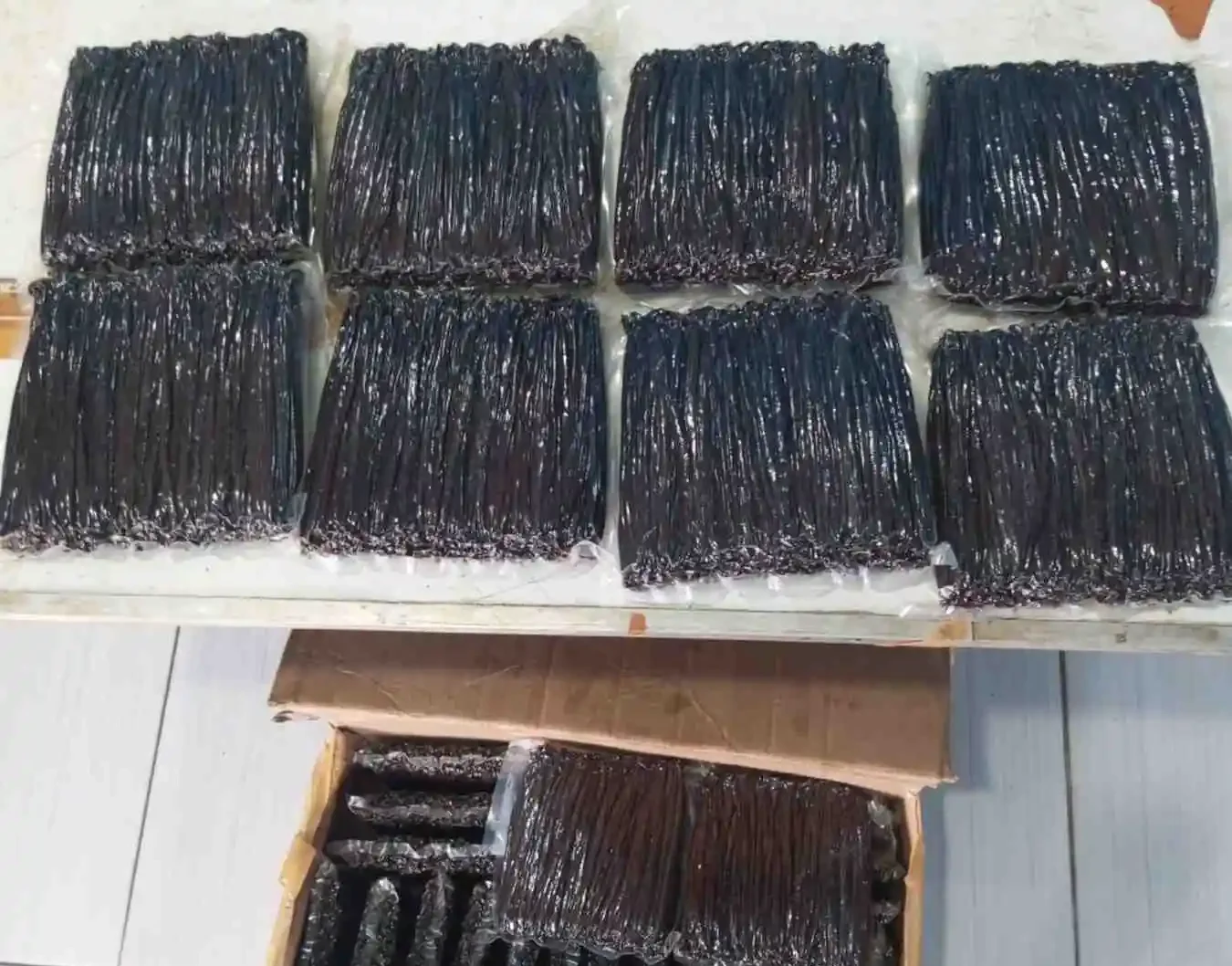
Extraction buyers often prioritize aroma strength, chemical performance, moisture, usable yield, and consistency over perfect appearance. Shorter, split, or drier beans may offer suitable value when they meet the agreed quality plan. However, lower visual grade should never mean uncontrolled mold, contamination, or foreign matter.
Manufacturers should test samples in their actual solvent system, process, and dosage. This approach shows whether the offered lot delivers the required flavor performance and economic yield.
Vanilla Beans for Retail and Private Label
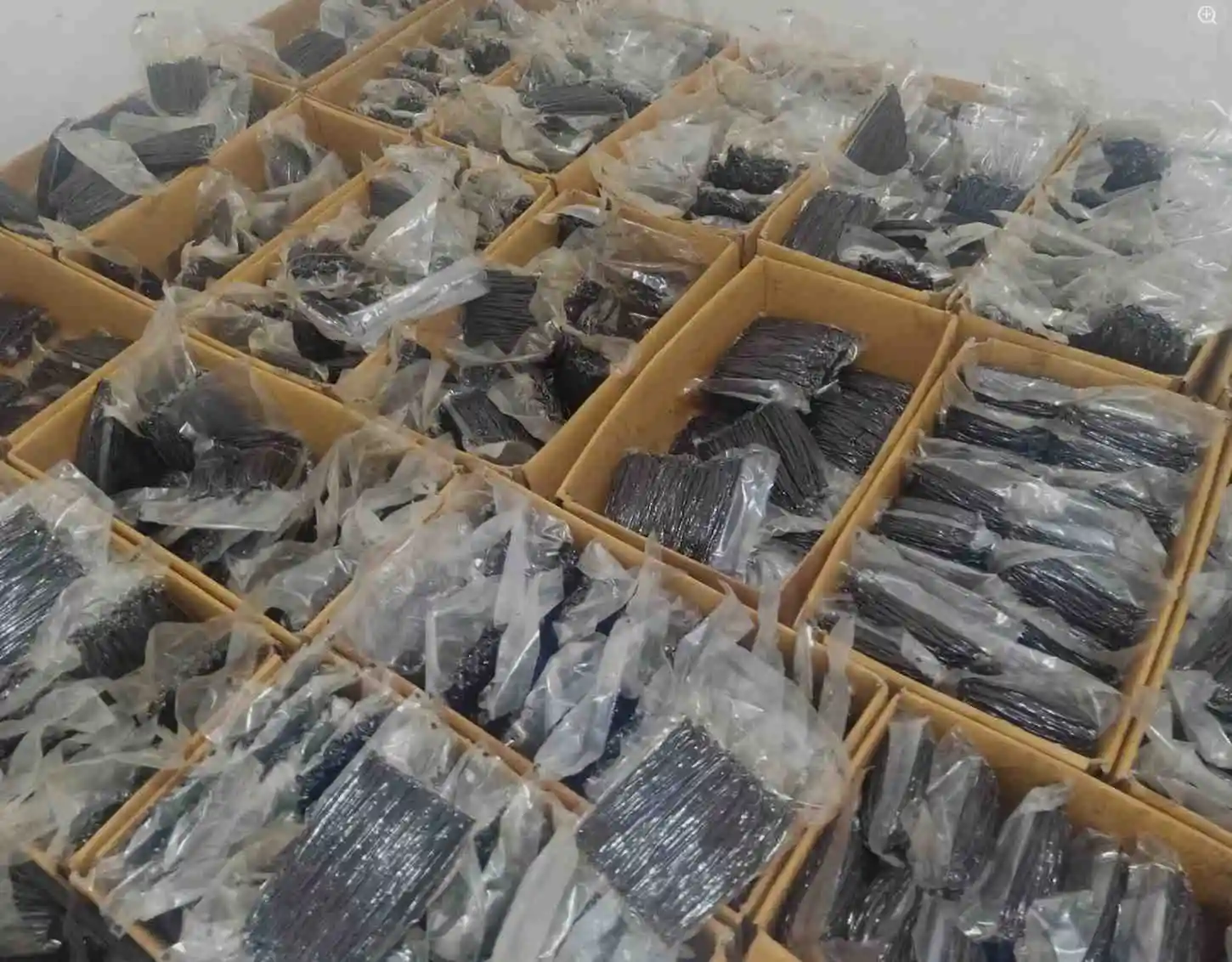
Retail and private label programs require consistent presentation, labels, pack integrity, and shelf life support. Buyers should define the number of beans per pack, length range, net weight, packaging material, label language, barcode needs, and case configuration.
In addition, the approved sample should represent the final consumer experience. The supplier and buyer should agree on how natural variation will be managed across production lots.
Indonesian Vanilla Bean Quality Specifications
A complete specification allows procurement teams, laboratories, and suppliers to evaluate each lot against the same standard. It also prevents broad terms such as premium or gourmet from becoming the only basis for acceptance.
Indonesian Vanilla Bean Supplier Physical Criteria
Physical criteria may include species, format, bean length, color, flexibility, splits, scars, broken ends, foreign matter, visible mold, and insect damage. The appropriate limits depend on the application and price position. Buyers should also define how mixed sizes or off-grade beans will affect acceptance.
Sampling must represent the entire lot. Therefore, the contract should explain how samples are drawn, combined, sealed, tested, and retained for later comparison.
Moisture, Aroma, and Vanillin Expectations
Moisture affects flexibility, weight, storage behavior, extraction economics, and the risk of deterioration. A higher moisture level may suit some gourmet applications, while a drier bean may offer advantages for extraction or long-distance handling. The buyer should specify a range, test method, and tolerance instead of requesting a vague moist or dry condition.
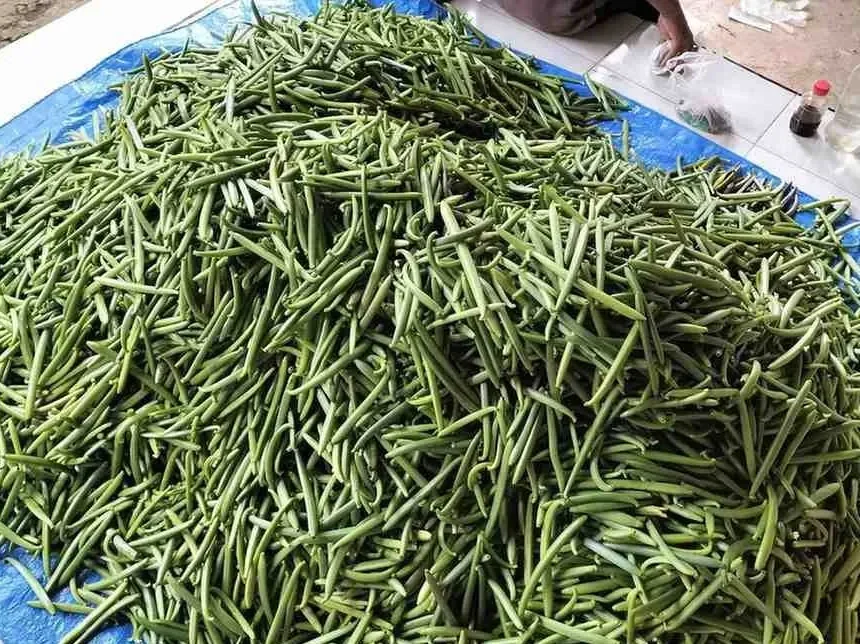
Sensory evaluation should cover aroma intensity, flavor character, and the absence of musty, fermented, chemical, or otherwise unacceptable notes. If vanillin content matters commercially, both parties should agree on the test method, reporting basis, and acceptance rule.
Mold Microbiology and Residue Controls
Vanilla beans require careful moisture and mold management during curing, conditioning, storage, and transport. Buyers should define destination-specific microbiological limits, pesticide residue requirements, contaminants, allergen controls, and any treatment restrictions. The quality plan should distinguish harmless surface crystals from suspected mold through proper inspection and, when necessary, laboratory confirmation.
A lot-specific certificate of analysis should report every agreed parameter. If an independent laboratory is required, the buyer and supplier should select the laboratory, methods, sampling plan, decision rules, and cost responsibilities before shipment.
| Specification Area | Buyer Requirement | Commercial Purpose |
|---|---|---|
| Identity | Botanical species, Indonesian origin, and product format | Supports traceability and prevents substitution |
| Grade | Measured criteria for gourmet extraction, retail or industrial use | Removes ambiguity from grade names |
| Physical quality | Length, color, splits, scars, flexibility defects, and foreign matter | Controls appearance and usable yield |
| Chemical quality | Moisture, sensory profile, vanillin, and application-specific values | Supports stability, flavor and process performance |
| Food safety | Mold microbiology, residues, contaminants, and treatment status | Supports legal and customer compliance |
| Packaging | Vacuum pack liner net weight labels cartons and lot marks | Protects aroma and simplifies receiving |
Vanilla Curing and Supplier Evaluation
The curing process transforms mature green pods into aromatic commercial vanilla beans. Supplier evaluation should therefore examine curing controls, traceability, storage, testing, and the ability to reproduce an approved profile.
Harvest Maturity and Curing Controls
Harvest maturity influences aroma development and curing performance. After harvest, processors typically use controlled stages that stop growth, promote sweating, support drying, and condition the beans. The exact process may vary, but the supplier should explain how it controls temperature, humidity, airflow, drying progress, and mold risk.
An Indonesian vanilla bean supplier should connect process claims to records and lot evidence. Clear controls are more valuable than unsupported claims about a secret or perfect curing method.
Traceability and Lot Consistency
Traceability should link incoming pods, curing batches, storage records, testing, and finished packs. This connection helps the supplier investigate variation and helps buyers confirm that the shipped lot matches the approved sample.
Because vanilla is an agricultural product, natural variation is unavoidable. Nevertheless, a documented sorting and blending plan can keep each shipment within the agreed specification and sensory range.
Sample Approval and Commercial Reliability
Request a representative sample, then inspect the beans for identity, appearance, aroma, flexibility, defects, and packaging condition. Next, conduct laboratory tests and an application trial under documented conditions. Finally, compare the results with the written specification and retained reference sample.
Buyers should also review response time, production capacity, lead time, issue handling, and document accuracy. A reliable supplier combines acceptable beans with clear communication and realistic commitments.
Vanilla Packaging Documents and Logistics
Packaging and logistics preserve the aroma, moisture balance, and physical condition established during curing. This section outlines the controls that support stable transit, efficient receiving, and accurate import documentation.
Vacuum Packaging and Food Contact Materials
Many suppliers use vacuum packaging to limit moisture exchange, odor transfer, and unnecessary oxygen exposure. Buyers should specify the food contact material, pack weight, number of beans, seal standard, outer carton, and label information. Packaging must also protect the beans from crushing and sharp bends.
Vacuum packaging does not correct poor curing or contaminated beans. For that reason, the quality team should inspect the product before sealing and monitor pack integrity during storage.
Storage and International Transport
Vanilla should be stored in clean, dry conditions, away from pests, direct heat, sunlight, and strong odors. Excessive heat or temperature changes can affect moisture distribution, while damaged packaging can expose the beans to contamination.
The purchase order should identify the Incoterm, named place, shipment window, route, insurance, inspection point, and handling responsibilities. Consequently, both parties understand where cost and risk transfer during the shipment.
Export and Import Documents
The required document set depends on the origin, destination, product form, and buyer. It may include a commercial invoice, packing list, bill of lading, certificate of origin, phytosanitary certificate, certificate of analysis, treatment evidence, and buyer declarations. Organic or sustainability claims require valid certificates that apply to the product and transaction.
Review draft documents before dispatch. Names, addresses, descriptions, quantities, lot codes, consignee details, and shipping marks should remain consistent across the entire document pack.
Indonesian Vanilla Bean Request for Quotation Guide
A detailed RFQ helps suppliers quote the correct grade, testing scope, packaging, and logistics basis. It also allows buyers to compare equivalent offers instead of choosing a low price that excludes important requirements.
Indonesian Vanilla Bean Supplier Buyer Information
Start with the species, format, intended application, grade criteria, length range, moisture range, and expected sensory profile. Then state the sample quantity, trial order, annual demand, destination port, preferred Incoterm, and required shipment date.
Attach the physical, chemical, microbiological, residue, packaging, and document requirements. If the specification is incomplete, ask the supplier to mark every proposed value for buyer approval.
Vanilla Quotation Comparison Criteria
Compare quotations only after aligning grade definitions, usable yield, net weight, testing, packaging, payment terms, and Incoterms. One offer may appear cheaper because it contains shorter beans, wider moisture tolerance, more splits, or fewer tests.
Buyers should also compare sample quality, technical understanding, lead time, and the procedure for nonconforming results. These factors often determine whether a supplier can support a long-term program.
Indonesian Vanilla Bean RFQ Template
Product Indonesian Vanilla planifolia beans
Format Whole split cuts powder or buyer defined format
Grade Gourmet extraction retail or measurable buyer criteria
Application Culinary retail private label extraction paste or flavor production
Quantity Sample trial order monthly and annual volume
Quality Length moisture appearance aroma vanillin microbiology residues and defects
Packaging Vacuum pack net weight labels cartons and pallets
Destination Port and country
Incoterm Requested option and named place
Documents COA origin phytosanitary certificates and buyer declarations
Shipment Target production and dispatch window
Send the template with the intended application and specification. As a result, suppliers can identify gaps early and prepare technically comparable offers.
Indonesian Vanilla Bean Supplier Questions
International buyers often raise similar questions before approving a vanilla source. The following answers clarify grade selection, moisture, quality evidence, and supplier qualification.
What Is the Best Grade for Gourmet Use
Gourmet applications usually favor whole, attractive, flexible, and aromatic beans with a suitable length and moisture range. However, there is no universal best grade. Buyers should define the presentation, recipe, pack format, and price target before selecting a specification.
What Is the Best Grade for Extraction
Extraction buyers often prioritize aroma, chemical performance, moisture, usable yield, and consistency. Shorter, split, or drier beans can provide good value when they meet food safety and process requirements. An application trial offers better evidence than appearance alone.
How Should Buyers Select an Indonesian Vanilla Bean Supplier
Evaluate species identity, curing controls, traceability, sample performance, laboratory evidence, packaging, communication, lead time, and document accuracy. In addition, confirm how the supplier manages mold concerns, nonconforming results, and natural variation between lots.
Source Indonesian Vanilla Beans with Confidence
A successful vanilla program combines a suitable grade with controlled curing, measurable quality, and clear commercial responsibilities. The following steps help buyers move from an initial inquiry to a controlled trial and repeat supply.
Build a Specification-First Purchase Plan
Define the species, format, length, moisture, appearance, aroma, vanillin expectations, defects, microbiology, residues, packaging, documents, and destination rules. Then align the sample review, laboratory tests, and purchase order with those requirements.
This approach gives the Indonesian vanilla bean supplier a clear basis for quotation, lot selection, and production. It also gives the buyer an objective receiving standard.
Use Official Standards and Market Data
ISO 5565 provides the international specification and test method framework for vanilla, while FAOSTAT provides official agricultural and trade data. An FAO post-harvest compendium also explains the production, curing, and handling context for vanilla. Buyers should still verify current destination laws and customer requirements.
Request an Indonesian Vanilla Bean Quotation
Trove Spices supports global buyers seeking Indonesian vanilla beans for gourmet, foodservice, extraction, flavor manufacturing, and private label applications. Share your specification, destination port, trial quantity, annual volume, and required tests so our team can prepare a relevant offer.
Request an Indonesian vanilla bean quotation and review our Indonesian vanilla bean supplier page or complete spice product range.
Editorial note: Grade names, analytical limits, import rules, and customer requirements vary by market. Confirm the current contract standard, food safety criteria, and destination regulations before purchase.