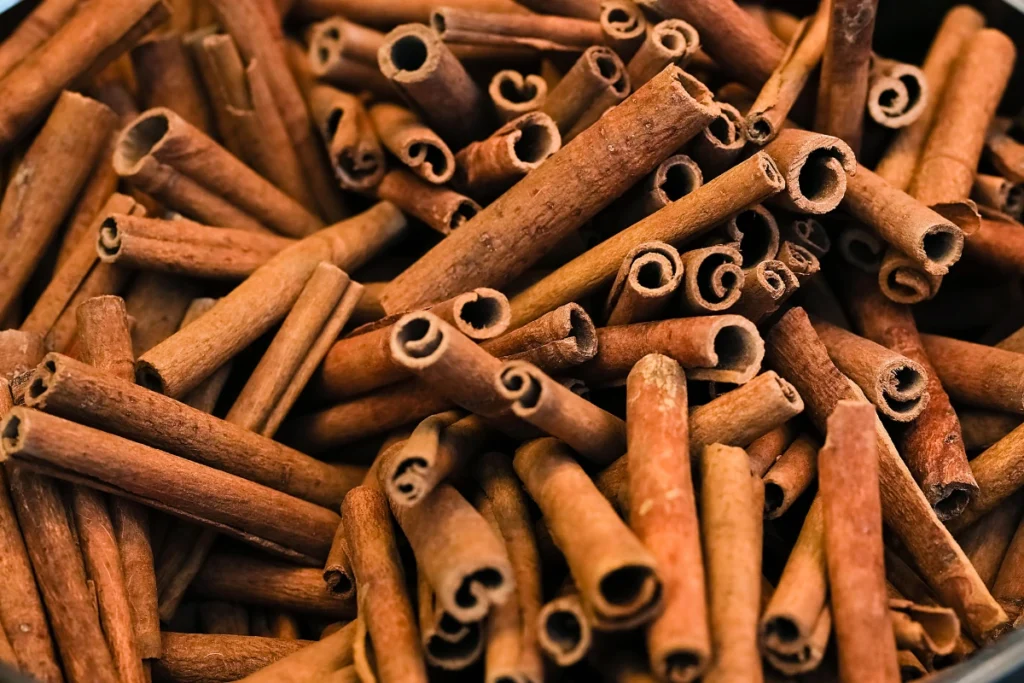
Ceylon cinnamon vs cassia cinnamon is an important comparison for food manufacturers, importers, distributors, and retail brands. Although suppliers sell both products as cinnamon, they differ in botanical identity, origin, appearance, flavor, chemical composition, price, availability, and commercial application.
A buyer should not select either type from the product name alone. This guide explains the practical differences between Ceylon and cassia cinnamon, shows which details belong in a purchase specification, and helps procurement teams choose the appropriate product for their formulation and market.
Understanding Ceylon Cinnamon and Cassia Cinnamon
Ceylon cinnamon and cassia cinnamon come from related trees, but they are not the same commercial product. Correct botanical identification gives buyers a reliable starting point for comparing samples, specifications, and supplier quotations.
Botanical Identity
Botanists identify Ceylon cinnamon as Cinnamomum verum, also known as Cinnamomum zeylanicum. Suppliers commonly identify Indonesian cassia as Cinnamomum burmannii, while Chinese cassia and Vietnamese cassia belong to other species or recognized trade types.
Production Origins
Sri Lanka produces most cinnamon that carries the Ceylon name, although related commercial types may come from other locations. Farmers produce cassia in several Asian origins, including Indonesia, China, and Vietnam, and each origin can offer a distinct sensory profile and market position.
Commercial Terminology
Sellers sometimes use the word cinnamon for both products on menus, labels, and general sales pages. B2B documents should identify the botanical name, country of origin, trade type, product form, and grade so that the purchase order leaves no room for conflicting interpretations.
Comparing Flavor, Aroma and Color
The sensory difference between the two products influences formulation, dosage, and customer expectations. Buyers should evaluate representative samples in the intended food or beverage because aroma in a sample bag may not predict performance after baking, extraction, or blending.
Ceylon Cinnamon Flavor
Ceylon cinnamon generally offers a delicate, sweet, and refined profile with soft citrus and floral impressions. Its lighter character can suit applications in which the formulator wants cinnamon to complement other ingredients without dominating the final flavor.
Cassia Cinnamon Flavor
Cassia cinnamon usually delivers a stronger, warmer, and more direct cinnamon character. Indonesian cassia can provide sweet, woody, and mildly spicy notes that remain recognizable in bakery products, beverages, seasoning blends, cereals, confectionery, and sauces.
Color and Visual Impact
Ceylon cinnamon powder is often lighter and more golden brown, while cassia powder may appear darker and more reddish brown. Color varies with origin, bark age, processing, grinding, and storage, so buyers should approve a physical sample or color range instead of relying only on a general description.
Identifying Cinnamon by Physical Structure
Whole bark makes the difference between Ceylon and cassia easier to observe than powder does. After processors grind the material, buyers need stronger documentation and traceability because visual identification becomes less reliable.
Ceylon Cinnamon Quills
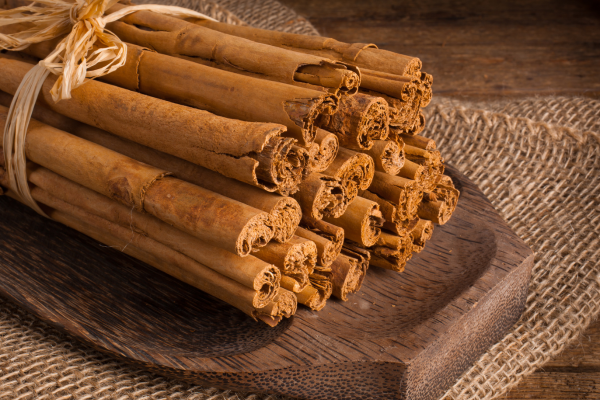
Ceylon cinnamon is traditionally formed from several thin bark layers rolled together into a delicate quill. The cross section often resembles a compact cigar with multiple fine layers, and the structure is typically easier to break or crumble than a thick cassia stick.
Cassia Cinnamon Sticks
Cassia sticks are usually made from a thicker layer of bark and often form a hard single curl or double curl. Their robust structure supports retail, beverage, extraction, decorative, and industrial applications where a stronger appearance or flavor is preferred.
Ground Cinnamon Powder
Powder removes many of the visible clues that help distinguish the two products. A buyer purchasing ground cinnamon should request the botanical name, origin statement, approved sample, product specification, certificate of analysis, lot code, and supplier traceability evidence.
Comparing Composition Quality and Safety
Botanical identity affects natural composition, but commercial quality also depends on harvest, processing, storage, and testing. Buyers should define measurable requirements for the exact product and destination market rather than assuming that one cinnamon type is automatically superior in every application.
Volatile Oil and Aroma Strength
Volatile oil contributes to cinnamon aroma, yet the percentage alone does not describe the complete sensory profile. Buyers should state the required test method and limit, then confirm performance through sensory evaluation because origin and chemical composition influence how people perceive the aroma.
Coumarin Considerations
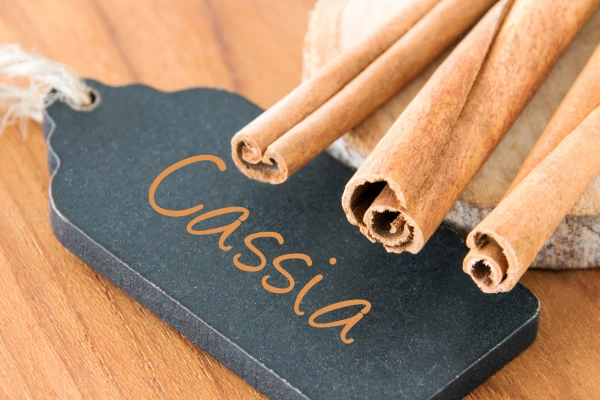
Cassia generally contains more naturally occurring coumarin than Ceylon cinnamon. Food manufacturers should review the intended dosage, serving size, applicable destination rules, and finished product risk assessment with qualified regulatory or technical specialists rather than using broad health claims to make a purchasing decision.
Moisture Microbiology and Contaminants
Both cinnamon types require suitable controls for moisture, foreign matter, infestation, microbiology, pesticide residues, heavy metals, mycotoxins, and other relevant hazards. Buyers should design the testing plan around the origin, product form, process, intended use, customer standard, and legal requirements of the importing market.
Choosing Cinnamon for Commercial Applications
The best option depends on the product concept, target flavor, required appearance, dosage, cost structure, and consumer positioning. A structured application trial provides more useful evidence than choosing Ceylon or cassia based only on reputation.
Bakery and Food Manufacturing
Manufacturers widely select cassia for bakery mixes, cereals, snacks, seasonings, confectionery, and processed foods because its strong character can remain noticeable after blending or heating. Ceylon cinnamon may suit premium recipes that require a lighter and more nuanced flavor, but the final choice should follow a controlled trial.
Beverage and Extraction
Whole or broken cassia can deliver a bold cinnamon note in tea, syrup, concentrate, and extraction processes. Ceylon cinnamon may support delicate beverage profiles, while particle size, extraction time, temperature, and cinnamon dosage will determine the result more directly than the trade name alone.
Retail and Private Label Products
Ceylon cinnamon can support origin-focused or premium positioning, while cassia often serves mainstream retail products that require familiar aroma and competitive pricing. Brands must ensure that the common name, botanical identity, origin, claims, and label comply with their target market.
Reviewing Specifications, Price and Supply
A fair comparison must use equivalent product forms, quality limits, packaging, Incoterms, testing, and order quantities. The cheapest quotation can become expensive if it causes flavor inconsistency, production loss, delayed documentation, repacking, or rejected goods.
Buyer Comparison Table
The following table summarizes common commercial differences and serves as a sourcing guide rather than a universal specification. Natural products vary, so buyers should approve measurable criteria and samples with the selected supplier.
| Comparison point | Ceylon cinnamon | Cassia cinnamon |
|---|---|---|
| Common botanical identity | Cinnamomum verum | Includes Cinnamomum burmannii and other cassia types |
| Typical whole structure | Thin layered quills | Thicker hard bark curls |
| General flavor profile | Delicate, sweet, and nuanced | Bold, warm, and familiar |
| General color tendency | Lighter golden brown | Darker reddish brown |
| Coumarin tendency | Generally lower | Generally higher |
| Common positioning | Premium and delicate applications | High impact and scalable applications |
| Selection method | Specification sample testing and application trial | |
Price and Availability
Suppliers often price Ceylon cinnamon above cassia because of its origin, labor-intensive quill preparation, positioning, and supply structure. Exporters commonly offer cassia at larger commercial volumes, but its price still changes with harvest conditions, grade, cleanliness, treatment, packaging, freight, and market demand.
Packaging and Shelf Stability
Both products need food grade packaging that limits moisture uptake, contamination, odor transfer, infestation, and aroma loss. Buyers should define the liner, outer packaging, net weight, seal, label, lot code, pallet format, storage conditions, and required shelf life before confirming the order.
Qualifying a Cinnamon Supplier
A reliable supplier provides evidence that connects the offered product with its origin, facility, process, and lot. Procurement teams should evaluate technical capability and communication quality alongside price because the international spice trade depends on accurate specifications and timely documents.
Samples and Certificates
Request a representative sample, specification sheet, certificate of analysis, packaging details, and relevant certification evidence. Record the sample lot and approval criteria so that buyers can evaluate the commercial shipment against a documented reference instead of an informal memory of color or aroma.
Traceability and Processing
Ask how the supplier manages receiving, drying, sorting, cleaning, cutting, grinding, storage, pest control, metal detection, packing, and lot release. Effective traceability should connect the exported lot with processing and raw material records and should support a timely recall investigation when required.
Request for Quotation Details
Product identity Ceylon cinnamon or cassia cinnamon
Botanical name Buyer to specify
Country of origin Buyer to specify
Product form Whole broken cut or powder
Dimensions or mesh Buyer to specify
Quality limits Moisture volatile oil foreign matter and microbiology
Testing Methods certificate of analysis and treatment status
Packaging Material liner net weight label and pallet format
Commercial terms Quantity Incoterm port lead time and payment terms
Documents Destination and customer requirements
Questions About Ceylon Cinnamon and Cassia
Buyers often need a concise answer before moving to technical qualification. These answers clarify the main purchasing questions while leaving final approval to specifications, regulatory review, samples, and application testing.
Is Ceylon Cinnamon Better Than Cassia
Neither type is universally better because they serve different flavor, cost, appearance, and positioning requirements. Ceylon cinnamon may suit a delicate premium profile, while cassia may be more appropriate when a bold cinnamon character, commercial availability, and cost efficiency are priorities.
Can Buyers Identify Cinnamon Powder by Sight
Color and aroma can provide clues, but they do not provide sufficient proof of botanical identity after grinding. Buyers should rely on controlled sourcing, documentation, traceability, an approved sample, and laboratory methods selected by qualified specialists when the program requires identity verification.
Where Can Buyers Source Indonesian Cassia
Trove Spices Indonesia supports B2B inquiries for Indonesian cinnamon in commercial forms and specifications. Review our Indonesian cinnamon supplier page, browse our spice product range, or contact our team with your application, grade, quantity, packaging, testing, and delivery requirements.
Authoritative references include ISO 6539, which covers Ceylon cinnamon types, while ISO 6538 covers Chinese, Indonesian, and Vietnamese cassia types. These standards help buyers distinguish product categories and structure technical discussions with suppliers.